
- YFC Taiwan
- Learning resources
- Lesson plans
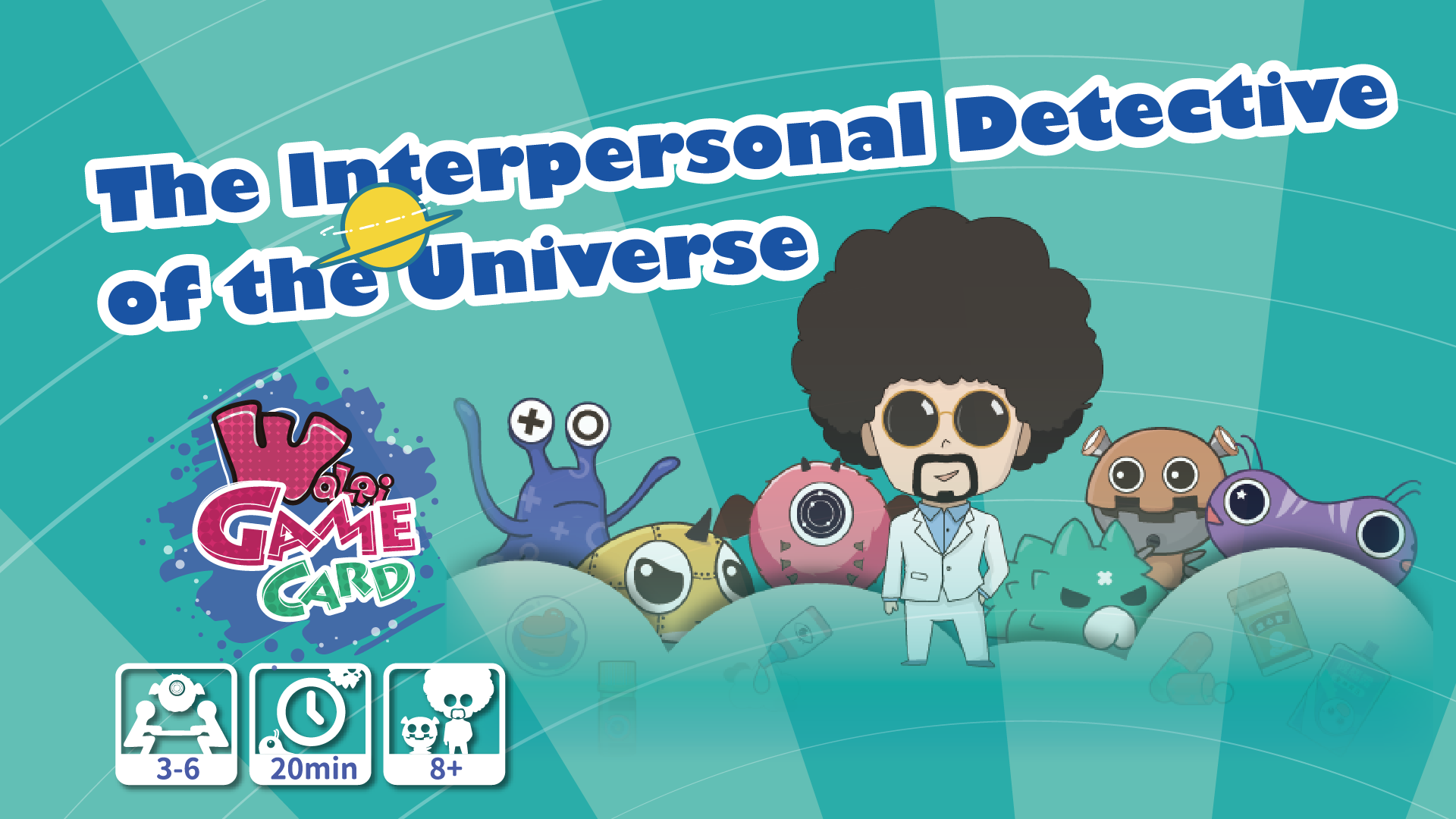
- The Interpersonal Detective of the Universe
The Interpersonal Detective of the Universe
This lesson plan was developed and produced by Walei and is supported by YFC Taiwan.
The Washington Post reported on July 20, 2021, that 80% of teenagers feel lonely, and teens around the world are lonelier than a decade ago. The reason for this loneliness may be smartphones.
"Global Views Monthly“ Magazine's 2020 Loneliness Survey" also discovered that over 61.6% of Taiwanese teenagers aged 11 to 20 are deeply trapped in a whirlpool of loneliness. This sense of loneliness may result from the conflicts and setbacks teenagers often encounter in their interactions with others.
"The Interpersonal Detective of the Universe" interpersonal communication curriculum helps teenagers realize that "communication is a skill that needs to be learned." The curriculum includes various videos illustrating communication conflicts, emphasizing the importance of clear expression of genuine "emotions, thoughts, needs, and expectations" to achieve mutual understanding, rather than trying to win arguments or passing judgments. Effective communication requires the ability to recognize one's own thoughts, needs, and expectations beneath emotions, learn positive communication methods to make oneself understood, and practice empathetic conversations. This curriculum gradually assists teenagers in improving their interpersonal relationships and finding genuine friendships.
After igniting the motivation for learning in each lesson, the curriculum provides useful tools for self-awareness and practice, such as Interpersonal need scale cards, the Empathetic conversation/ Iceberg cards, positive interpersonal communication cosmic waves, six types of Blabbermouth Starworms, Empathy Dialogue cards, and four dangerous interpersonal traits. These awareness tools come in various forms, including video discussions, psychological tests, board games, and interactive activities, encouraging students to share more and enabling them to recognize the differences in each other's emotions, thoughts, and needs, fostering empathy and active listening skills.
Curriculum Introduction
Lesson 1: Four Common Communication Issues Encountered by Adolescents
Communication is the process that brings two parties closer psychologically, but if done incorrectly, it not only leads to awkward conversations but also builds a high wall between them. To avoid using the wrong methods of communication, one must learn what constitutes effective "interpersonal communication." Interpersonal communication refers to the process of two or more individuals or organizations exchanging and conveying messages to each other. Learning the right way to communicate interpersonally enables us to satisfy our needs and express ourselves when sharing and exchanging ideas and emotions with others.
Video: "Four Types of Communication Issues"
Lesson 2: The Lost Gacha (Part 1)
Everyone's upbringing and life experiences are different, and as a result, their feelings and thoughts about the same thing can vary greatly. Each person also has certain needs within their thoughts, and without understanding them, it's easy to fall into the trap of making subjective judgments about the other person's state of mind. Being able to perceive what your own and others' needs are can help everyone understand the true meaning behind what they want to express. Therefore, understanding the differences in needs between yourself and others is an essential element in interpersonal relationships.
Game: Interpersonal Needs Tic-Tac-Toe
Video: "The Cosmic Gacha Machine has landed"
Lesson 3: The Lost Gacha (Part 2)
Every person is like an iceberg floating on the sea. The behavior displayed by a person is just a small part on the surface of the iceberg, while beneath the sea level, there are four different layers of information: emotions, thoughts (perspectives), needs (desires), and expectations. The more capable we are of perceiving the contents of the iceberg and making flexible adjustments, the more we can avoid conflicts in the process of communication.
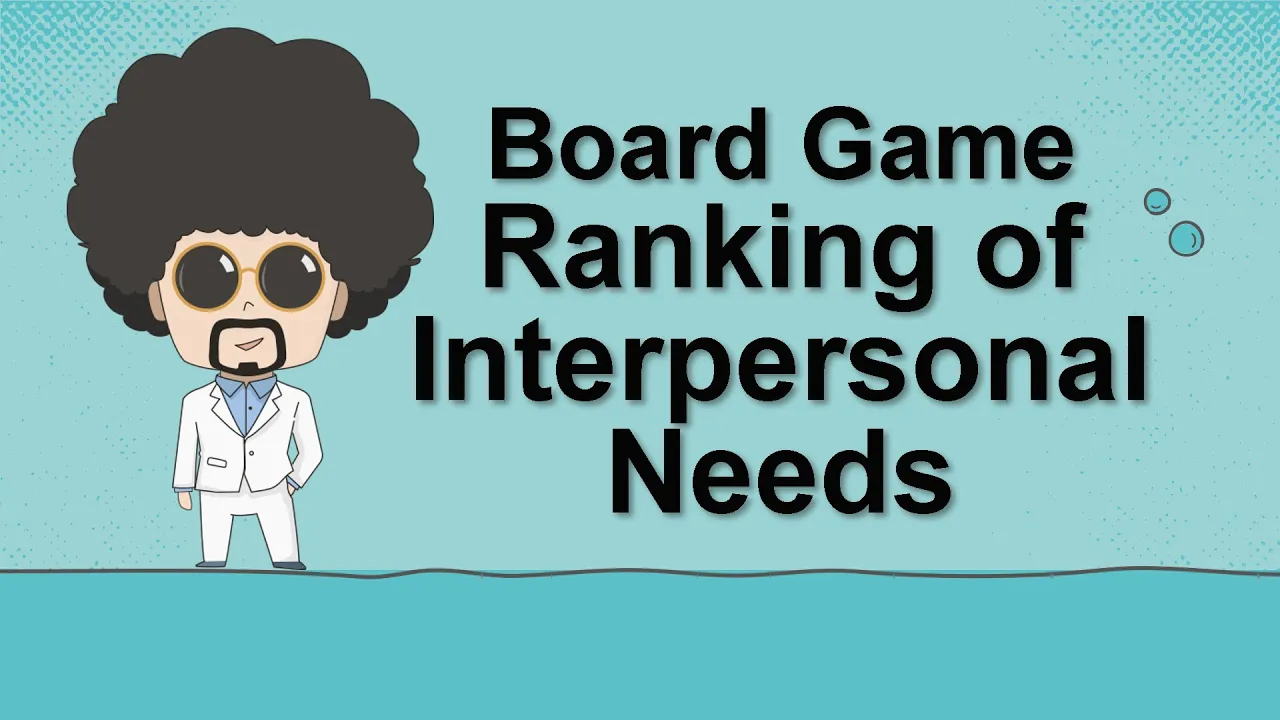
Board Game: Ranking of Interpersonal Needs
This board game helps teenagers begin to think about what interpersonal needs matter most to them. Because we often don't have the opportunity to ponder this question in our daily lives, we also discover that different people care about different interpersonal needs. Some may value a sense of humor the most, while others value respect. When playing the game, by making wishes on cards about what interpersonal needs they would need the most in certain situations, they can choose their top five interpersonal needs from 55 interpersonal needs cards. Everyone guesses the order of these five interpersonal needs. It's a game that promotes self-awareness and helps friends understand each other's interpersonal needs better.
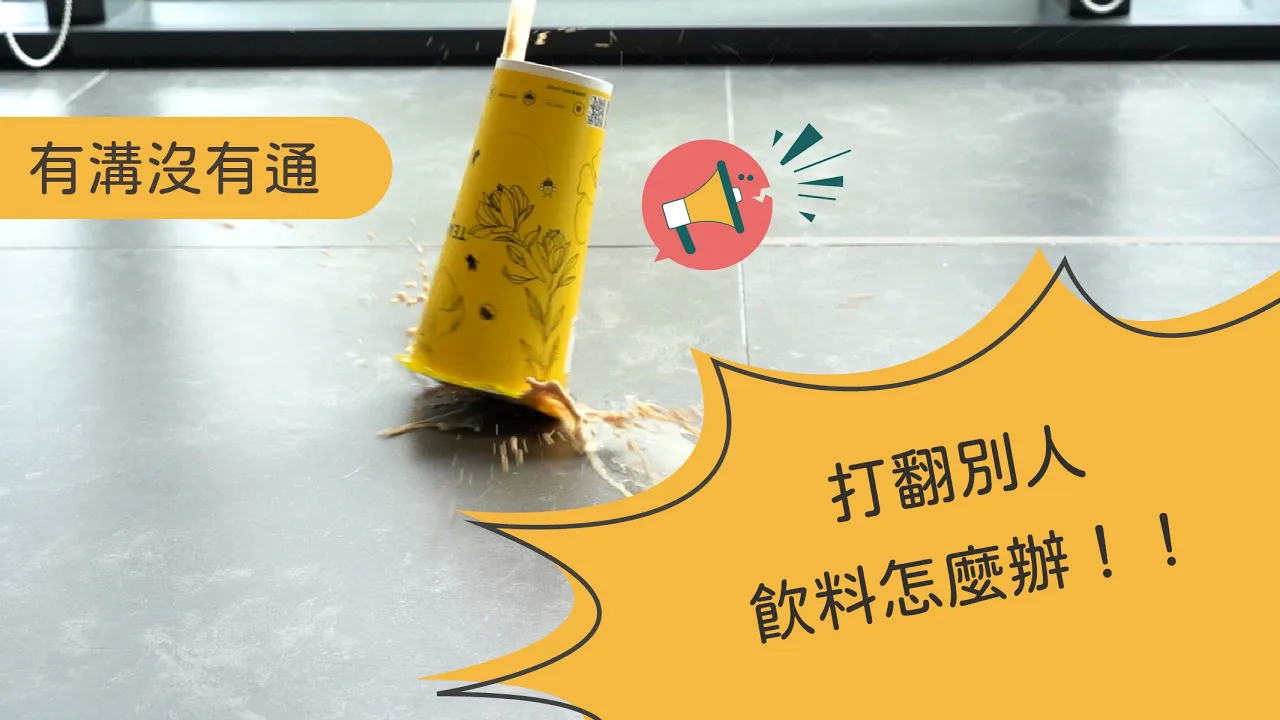
Video 1: The Lost Gacha - Drink Edition
Video 2: The Lost Gacha - Cleaning Edition

Lesson 4: To transmit positive cosmic radio waves. (Part 1)
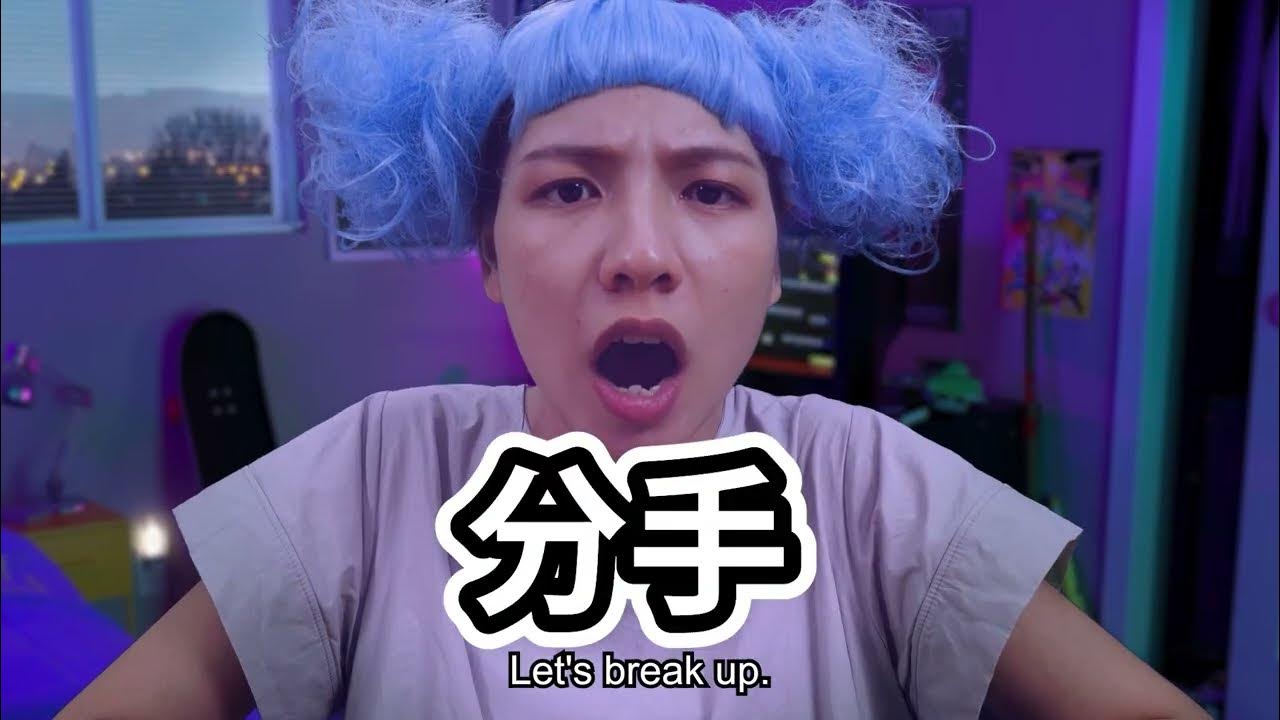
The growth process of many teenagers is filled with a lot of "negative language," and as a result, they unconsciously use their habitual ways of judging, avoiding, and commanding others when interacting with people. Communication is not a binary "good vs. bad" or "right vs. wrong" process; it's about expressing oneself, understanding the feelings and thoughts of others, and finding common ground.
Video 1: "Argument Episode 1"
Video 2: Argument Episode 2

Lesson 5: To transmit positive cosmic radio waves. (Part 2)
Sometimes, we may find it difficult to express our true feelings and thoughts. However, if we are constantly unwilling to let go of our reservations, it can create distance between us and even lead to misunderstandings. This lesson teaches students the importance of stepping out of their comfort zones and being courageous in expressing themselves. If speaking is challenging, they can start by writing letters or sending messages, as doing so allows them to organize their thoughts. With practice, they will become more proficient in communication.
Video 1: "Difficulty Speaking Episode 1"
Video 2: "Difficulty Speaking Episode 2"
Video 3: "Difficulty Speaking Episode 3"
Video 4: "Do Friends Always Have to Be Like This?"
Lesson 6: Blabbermouth Starworms Invasion
Blabbermouth Starworms Helping teenagers learn to differentiate between facts and opinions, opinions being subjective expressions without verifiability, making it difficult to determine right from wrong. On the other hand, facts are statements that can be proven true or false. Therefore, in any discussion, it's crucial to first distinguish what constitutes a fact, or else it can devolve into a chaotic argument. This lesson presents the six most common ways of expressing opinions as six distinct Blabbermouth Starworms and guides students in recognizing the characteristics of these bugs and finding corresponding antidotes.
Video: Cosmic Gacha Machine - The Clash of Water and Fire
Board Game: "Invasion of the Blabbermouth Starworms"
This is an exhilarating game that tests your reflexes. It introduces six Blabbermouth Starworms, which, as the name suggests, are Starworms that tend to provoke conflicts during communication. These Blabbermouth Starworms include the Complainer, the Pessimist, the Representative, the Predictor, the Sterotyper.
Through the game, players become familiar with the characteristics of these six bugs and the six remedies to drive them away. In a fast-paced matching game,students felt both nervous and excited while playing the game, but at the same time, they successfully remembered these six bugs.
Lesson 7: Intercepting Galactic Signals
Empathy is the ability to "feel and imagine what others are going through and feeling." Empathy allows us to establish social connections with others, and by understanding their emotions and thoughts, we can make appropriate responses in social situations. This lesson guides students in practicing the three steps of empathy: acknowledging the other person's emotions, helping them calm down and think, and guiding them to express their needs and requests. The more we can empathize with others, the greater our chances of successful communication.
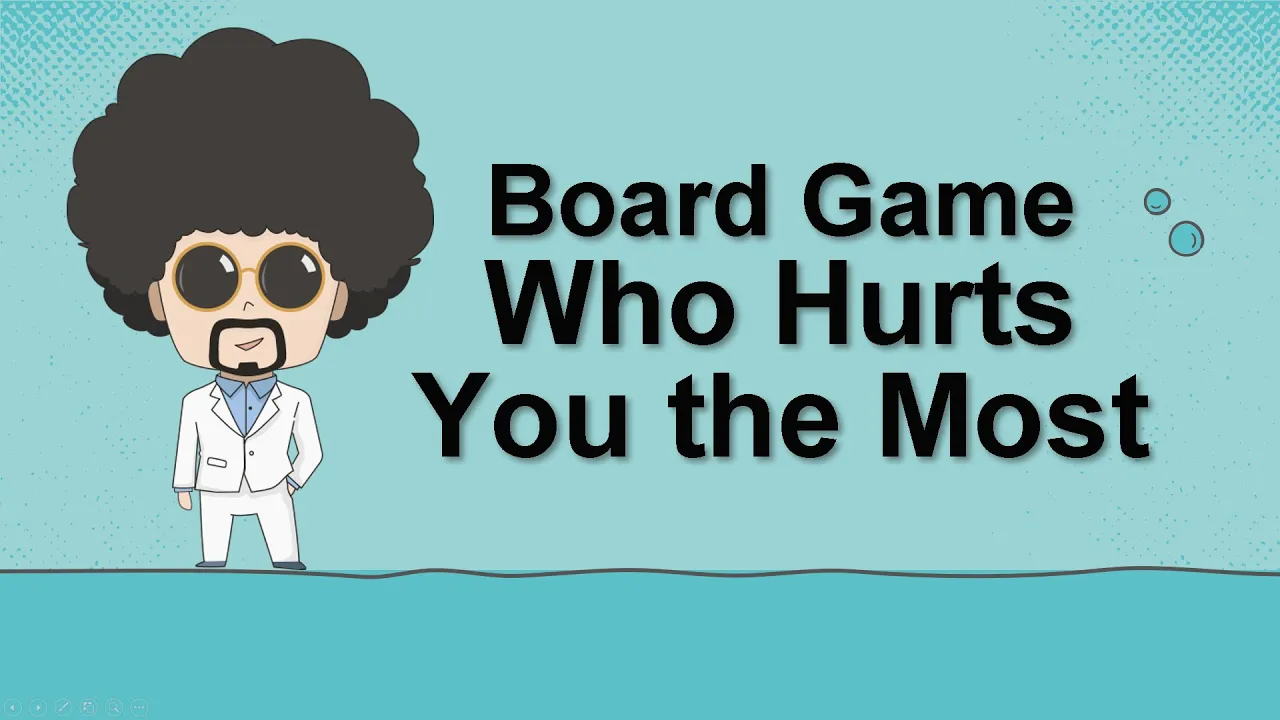
Board Game: Who Hurts You the Most
This Board Game, in a humorous manner, trains empathy by collecting 63 sentences that teenagers themselves consider lacking in empathy. Whenever someone draws an unpleasant or sad card, everyone plays a card with what they think is the least empathetic sentence and then guesses whose card hurt the most! They then explain why that sentence would be so hurtful. Through this fun reverse operation, they can understand why these words can be painful to others. The winner at the end has to engage in an empathy dialogue using the "Empathy Conversation Cards," learning how to genuinely empathize with others through their words. This game is highly popular among teenagers as it combines education with enjoyment.
Lesson 8: Falling into a Fragile Heart
Everyone has a set of beliefs about themselves, others, and the world, which stem from their personal growth experiences. However, negative life experiences can lead to the formation of negative interpersonal beliefs and the development of detrimental interpersonal traits (such as jealousy, self-reliance, superiority, and harming others), which can lead us to misunderstand ourselves, others, and the true dynamics of our environment. Breaking the vicious cycle of negative interpersonal beliefs requires self-awareness of our detrimental interpersonal traits to prevent us from repeating the same interpersonal challenges in different relationships.
Video: "Falling into a Fragile Heart - The Love story of Jimmy"
Downloads
- Ninja Emotion Cafe – Board Game InstructionsBoard game rules
- The Interpersonal Detective of the Universe – Board Game InstructionsBoard game rules
- Preview of Lesson 3 Plan – The Emotion Black BoxLesson plan preview
- Lesson 1 – Faith Extension MaterialWeb page
- Lesson 2 – Faith Extension MaterialWeb page
- Lesson 3 – Faith Extension MaterialWeb page
- Lesson 4 – Faith Extension MaterialWeb page
- Lesson 5 – Faith Extension MaterialWeb page
- Lesson 6 – Faith Extension MaterialWeb page
- Lesson 7 – Faith Extension MaterialWeb page
Get the materials
This lesson plan was developed and produced by Walei and is supported by YFC Taiwan. Printed lesson plans and board games are listed under Learning resources (Chinese editions are sold through Walei).
© 2025 哇咧星樂園 walei.tw & Supported by YFC Taiwan.